

Closing Watch
FAIR Plan rates rise. Your budget objects.
As insurers restricted new coverage and declined renewals, more California owners turned to the FAIR Plan. The Plan points to wildfire risk and fewer traditional-market options as reasons for that shift. Its combined dwelling and commercial policy count grew from 271,327 in September 2022 to 696,562 in June 2026—a 157% increase. The backup plan has been working overtime.
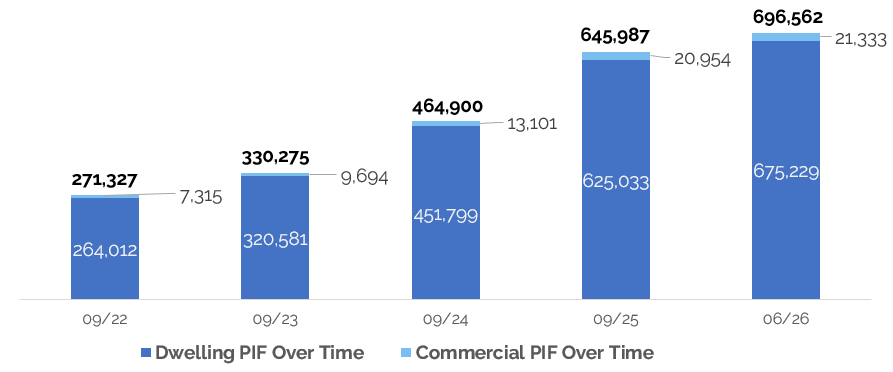
But a FAIR Plan dwelling policy is not a full homeowners package. Water damage, theft, and personal liability are important gaps. A separate difference in conditions policy, or DIC policy, can add those protections, depending on its terms. That means another premium—not an automatic match to a standard homeowners policy.
Meanwhile, the lender is reviewing the coverage to make sure their interest is protected, the buyer is reviewing his bank balance, and somewhere in the middle, the Realtor is praying Hail Marys that this thing closes before the next car payment is due.
That is exactly when “just get me something so we can close” needs a coverage conversation—not just a quote.
Now comes the rate increase: The FAIR Plan confirms an overall average premium increase of 29.1% for dwelling fire coverage, effective October 15, 2026, for new and renewal business. Individual results vary, and some premiums may decrease.
For buyers in escrow, I would refresh the insurance estimate before funding. Existing homeowners paying insurance through a mortgage escrow account can also see higher monthly payments when premiums rise.
There are alternatives worth reviewing, including Swyfft and Orion180. I also reviewed a Motion Specialty homeowners proposal through Amwins. Eligibility and terms still matter. These reviewed options are surplus lines—issued by insurers not licensed by California—and lack California insurance guaranty-fund protection if the insurer becomes insolvent. That is a distinction to understand, not an automatic verdict.
Compare the actual FAIR Plan-and-DIC package with the actual alternative: total cost, covered losses, exclusions, roof terms, water and liability protection, and what you could pay out of pocket. Review the differences with your insurance professional, and have the lender confirm the proposal meets that loan’s requirements.
The lowest premium wins the price comparison. It has not necessarily won the insurance comparison.
Deal Context
What to check before closing
Swyfft: fresh paint does not reset the roof’s birthday.
Its California homeowners guide describes roof terms ranging from replacement cost—based on replacing damaged property—to payments reduced for age and wear, or exclusions. Roof age and material matter. Ask which terms apply and have the lender review them before closing. The dwelling limit alone does not tell the whole story.
Orion180 homeowners: the checkboxes are not decorative.
California FLEX includes wildfire, but liability and non-weather water coverage, such as certain plumbing leaks, are optional. An optional copayment adds an owner-paid share of a covered loss after the deductible. Before admiring the premium, check what was selected, the water limit, and what you could pay out of pocket.
Orion180 landlords: same logo, different homework.
Its California landlord guide lists wildfire as optional, including for mortgaged properties. Borrowers and private lenders should confirm wildfire coverage in the proposed policy documents before funding. Do not copy the homeowners product’s answer sheet. Optional on the insurance menu does not mean optional under the loan agreement.
Motion Specialty through Amwins: Pinterest is not an underwriting department.
A proposal I reviewed listed replacement-cost terms for the home and roof, plus liability. It required an inspection after issuance and review of planned renovations. Builders, developers, contractors, and private lenders: disclose the project before demolition. The underwriter does not follow your inspiration board. This was a conditional quote—not a policy.
Partner Language
Two sentences you can use
“Before we choose, let’s compare the full insurance package—including any companion policy—not just the first premium quoted.”
“Please confirm the proposed coverage and deductibles against this loan’s insurance requirements before we rely on the policy for funding.”
About the author
Jessie Navarro
Jessie Navarro is the agency principal at J. Navarro Insurance Agency Inc. in Redondo Beach, California. He works with property owners, real estate professionals, lenders, investors, and businesses on insurance questions that can affect transactions and long-term ownership.
About Jessie and the agency